Oil pumps are some of the most important components in a vehicle’s engine. They help keep everything smooth running; they help keep the engine in good shape – and for a long time!
One of the purposes of an oil pump is to see that all of the moving parts are being properly lubricated in the engine. This prevents them from rubbing against each other and causing wear and tear over time. The engine would become stripped without lubrication and quickly cease operating.
Body Oil pumps operate by pulling oil out of the oil pan and sending it through the engine block to the parts of the engine where it is needed most. The result is that running metal rests against running metal in the engine, sliding with parts against each other versus pumping against each others’ surfaces. No oil pump, no oil and that's another busted engine.
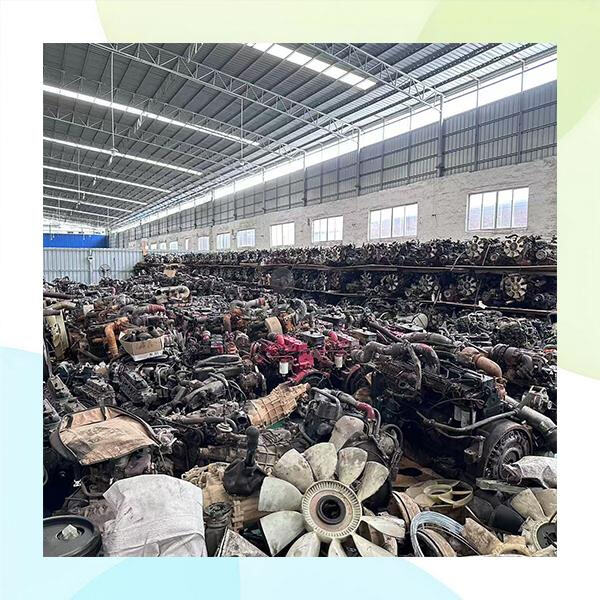
Besides ensuring the engine is running smoothly, oil pumps are also important parts for car maintenance. Frequent oil changes are necessary to maintain your engine in top condition. By keeping an eye on your oil level and not letting the oil run dry, you could avoid some costly repairs and may add years to the life of the engine.
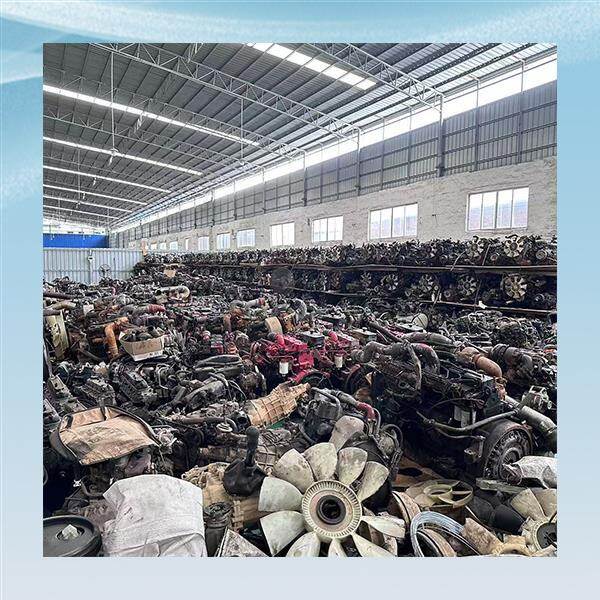
Oil pumps are commonly found in the oil pan and are driven by the engines crankshaft. When the engine crankshaft spins, the oil pump pumps oil throughout the engine to ensure everything is well lubricated. The continuous splashing of oil is important to prevent the engine from getting too hot and the amount of wear which is caused by the parts of the engine.
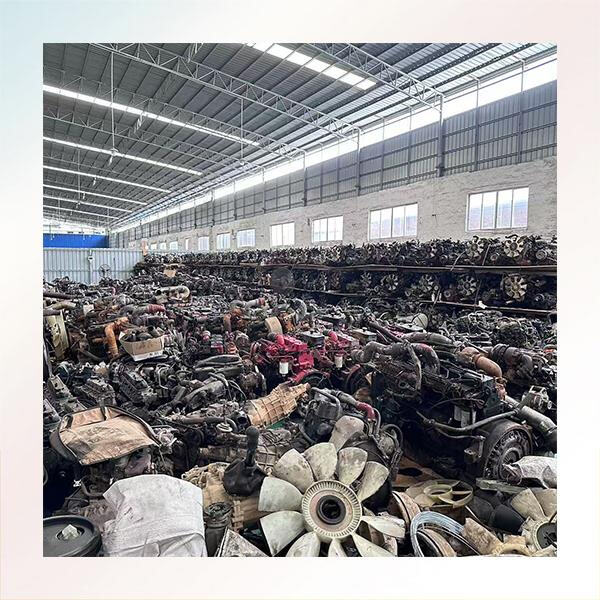
For your engine to function efficiently for as long as it can you need to maintain the oil pump regularly. This check should include the monitoring of the oil level, changing the oil according to the manufacturer's recommendations, and making sure that the oil pump is functional. By maintaining your oil pump, you can contribute to keeping your engine and reducing the need for expensive repairs in the future.
 EN
EN